Why Heat Treatment Stands as the Ultimate Solution for Bed Bugs: Importance and Advantages
Bed bugs have turned into a recurring problem in numerous homes, leading to substantial unease and stress. Standard pest elimination techniques commonly come up short, leaving behind resilient populations. Thermal treatment presents an effective solution, effectively targeting all life stages of bed bugs in a single session. This approach not only eradicates pests but also tackles health and ecological considerations. copyrightining the details of thermal treatment demonstrates why it excels among pest management solutions. What sets it apart as such a reliable solution?
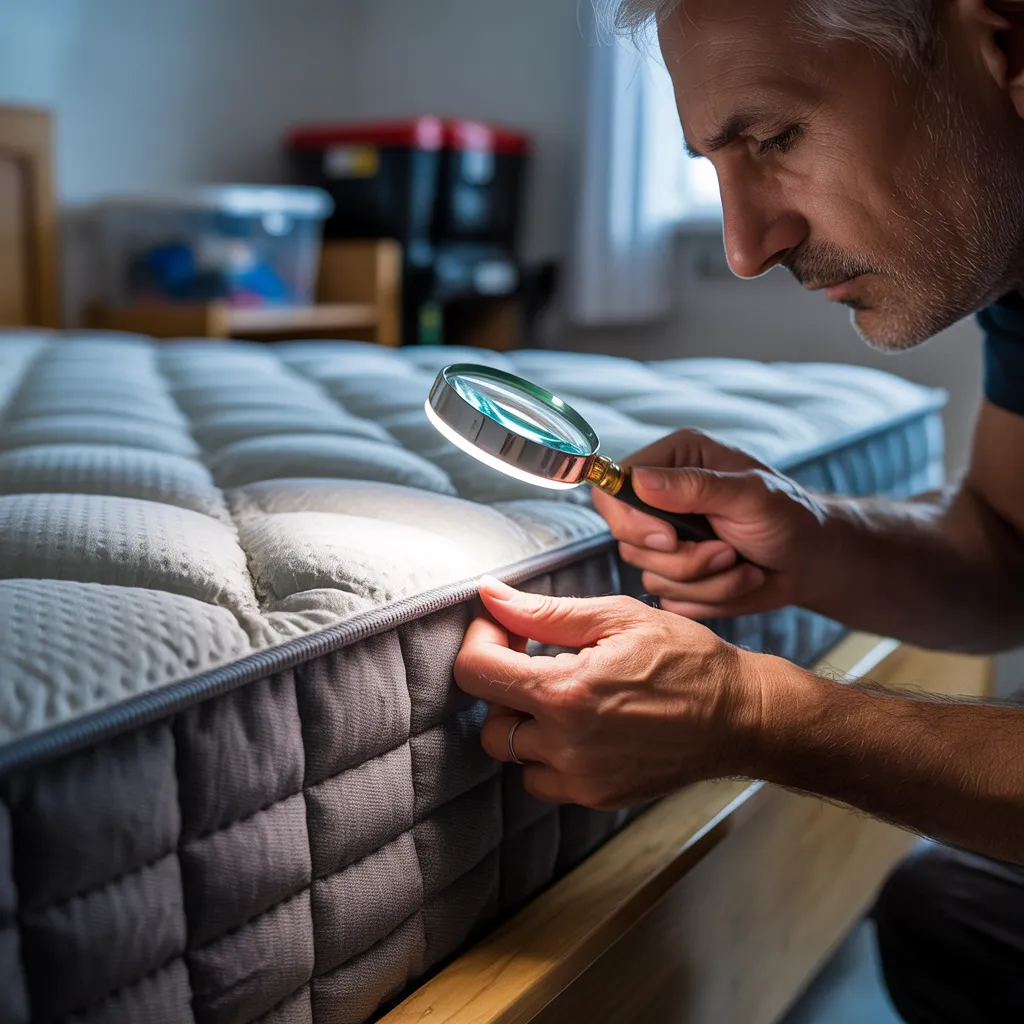
The Enduring Issue of Bed Bugs
While bed bugs were once nearly eliminated, they have experienced a notable comeback in recent years, emerging as a continuing issue for many homes and commercial establishments. These tiny, reddish-brown insects are notorious for their ability to multiply rapidly and thrive in different settings. Their resurgence is largely attributed to growing international travel, allowing them to hitch rides on luggage and clothing.
After they invade an area, bed bugs are hard to get rid of, often requiring professional intervention. As nocturnal parasites, they subsist on human blood, causing distress and unease among those impacted. The presence of bed bugs can also tarnish a business's reputation, particularly in the hospitality industry, where guest experience is paramount. Despite their small size, the impact of an infestation can be significant, resulting in monetary setbacks and psychological strain, underscoring the urgent need for effective treatment solutions.
In What Way Does Heat Treatment Remove Bed Bugs?
Heat treatment efficiently destroys bed bugs by treating them with high temperatures that they cannot withstand. Generally, temperatures ranging from 120°F to 140°F are used to ensure total eradication. Once bed bugs are exposed to these extreme heat levels, their biological processes are compromised, leading to dehydration and ultimately death.
Warmth permeates multiple materials, including carpets, mattresses, and furniture, making certain that even hidden bed bugs and their eggs are reached. This approach is highly efficient because it targets all stages of life of bed bugs, from eggs to adults.
Unlike chemical treatments, which can leave residues behind and demand several treatments, heat treatment provides a more direct solution. Moreover, it eliminates the need for dangerous chemical agents, making it a healthier alternative for residential properties and surrounding environments, particularly those with children or pets. Taken together, heat treatment stands out as a thorough approach to bed bug eradication.
Primary Advantages of Thermal Treatment for Bed Bug Removal
Removing bed bugs through heat treatment delivers several merits that set it apart from conventional pest control techniques. A notable strength is its reliability; heat treatment can destroy each life stage of bed bugs, including egg stages, in a single session. Unlike chemical treatments, which may require multiple rounds and can produce resistant groups, heat treatment delivers consistent results.
In addition, the method is quick, usually needing only a couple of hours to eliminate the problem, enabling those inside to re-enter their premises promptly.
Heat treatment is additionally non-invasive, as it does away with the need for chemical residues, rendering it appropriate for sensitive environments such as homes with children or pets. Furthermore, it decreases the chance of reinfestation, as complete heating can reach into furniture and walls, addressing concealed bugs. Overall, these benefits make heat treatment a compelling choice for effective bed bug removal.
Green Benefits of Heat Treatment
Heat-based treatment for bed bugs presents a non-chemical alternative to conventional pest control approaches. This method not only effectively eliminates infestations but also significantly decreases hazardous waste linked to chemically driven treatments. As a result, it provides a more environmentally friendly option for addressing pest problems.
Pest Control Without Chemicals
An increasing number of homeowners are looking for effective pest control solutions that emphasize eco-friendly practices. Heat treatment emerges as a pesticide-free option that successfully eliminates bed bugs without the use of harmful pesticides. This method utilizes high temperatures to reach furniture, carpets, and walls, guaranteeing complete pest removal. By choosing heat treatment, homeowners can safeguard their loved ones and animals from the known health concerns associated with chemical residues. Moreover, this environmentally conscious method minimizes the ecological footprint frequently connected to traditional pest control methods. With increasing awareness see the facts of sustainability, heat treatment provides an effective option for those committed to sustaining a safe and comfortable household while effectively managing pest infestations.
Reduces Toxic Waste
Selecting heat treatment for bed bug eradication markedly minimizes chemical waste associated with traditional pest control methods. As opposed to chemical sprays and pesticides, which often leave behind harmful residues, heat treatment employs high temperatures to effectively destroy bed bugs and their eggs without releasing hazardous materials into the environment. This approach not only minimizes the risk of chemical exposure to humans and pets but also supports a healthier ecosystem. As heat penetrates furniture and walls, it ensures thorough pest elimination without the need for additional toxic substances. Therefore, adopting heat treatment aligns with eco-friendly practices, promoting sustainability while protecting public health. By selecting this method, individuals can actively participate in reducing their environmental impact while effectively addressing bed bug infestations.
What Should You Anticipate During Heat Treatment?
Throughout thermal treatment for bed bugs, proper preparation is essential to secure both safety and efficacy. Homeowners can expect to follow particular instructions prior to the start of treatment, as well as participate in a post-treatment follow-up to observe the results. Understanding these steps can improve the overall outcome and efficiency of the bed bug treatment.
Preparation Before Treatment
In preparation for heat treatment for bed bugs, homeowners should be thoroughly prepared to confirm the process is successful. This preparation includes removing all items from the treatment area, such as clothing, toys, and electronics, to prevent damage from high temperatures. It is also essential to remove clutter, as this allows better airflow and confirms that heat reaches all concealed areas effectively. Homeowners should thoroughly vacuum to get rid of any visible bugs and their eggs, securing the vacuum bag tightly after completing the task. Additionally, pets should be relocated temporarily to ensure their safety. Finally, it is advisable to communicate any specific concerns or problem areas with the heat treatment professionals, providing a precise and thorough strategy to eliminating the bed bug infestation.
Post-Treatment Check-Up
Once adequate preparation is complete, homeowners can anticipate a comprehensive process during the bed bug heat treatment. The treatment usually spans several hours, during which specialized equipment raises the temperature in pest-ridden zones to a temperature that eliminates the pests. Technicians monitor the environment closely to ensure even heat distribution, reaching all possible hiding locations. Following treatment, it is essential for homeowners to avoid reintroducing items until the treated space has fully cooled. A subsequent inspection may be organized to confirm the elimination of bed bugs. Homeowners should stay alert for any signs of resurgence and can consult professionals for additional measures if necessary. This preventive method strengthens the sustained success of the heat treatment.
Preparing Your Home for Heat Treatment
Preparing for heat treatment is crucial to enhance its efficiency against bed bugs. Homeowners should start by clearing out rooms, removing items from floors, and confirming that areas are accessible to the technicians. It is recommended to wash and dry clothing, bedding, and curtains on high heat to remove any concealed insects or eggs. Furniture should be shifted away from walls, and power outlets should be unobstructed to allow for ideal heat dispersal.
Moreover, pets ought to be transferred for their protection, and plants may need to be moved or covered. Residents should also remove any perishable items from the premises to prevent spoilage. It is essential to alert the professional heat treatment team about any notable concerns, such as previous infestations or sensitive items. Completing these preparatory measures not only guarantees a thorough treatment process but also improves the probability of total bed bug removal.
Commonly Asked Questions
How Much Time Does Heat Treatment Usually Take to Finish?
Heat treatment for bed bugs generally needs anywhere from six to eight hours to finish. The duration may vary based on the severity of the infestation and the size of the area being treated, ensuring the appropriate heat level reaches all affected spots.
Is Heat Treatment Safe for Children and Pets?
Thermal heat treatment is commonly safe for children and pets when conducted properly. Experts ensure that the environment is monitored, minimizing risks. However, it's advisable to remove pets and children during the heat treatment procedure for additional peace of mind.
Can Heat Treatment Damage My Furniture or Belongings?
Heat-based pest control typically does not harm personal items or furnishings when properly monitored. That said, sensitive items including electronic devices or delicate fabrics could be at risk. It's advisable to speak with professionals for advice customized to your particular circumstances.
Will Heat Treatment Prevent Future Bed Bug Infestations?
Thermal treatment efficiently removes existing bed bug populations but does not guarantee prevention of future infestations. Regular observation and proactive strategies, such as regular inspections and maintaining cleanliness, are critical for sustained bed bug management.
What Are the Usual Costs Associated with Heat Treatment?
Bed bug heat treatment usually ranges anywhere from $1,000 up to $2,500, based on the severity of the infestation and the size of the property. Elements including your location and selected service provider may further impact the final price.